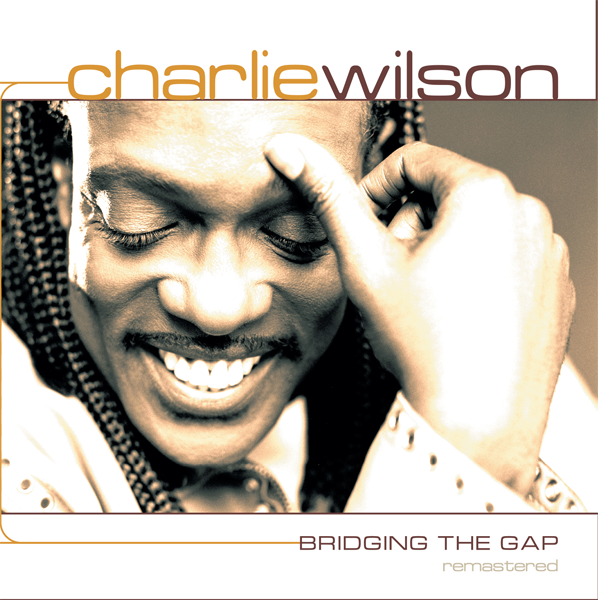
Charlie Wilson Joins ‘We Playin’ Spades’ to Talk Music, Classic Hits, and His Upcoming R&B Cookout Tour
Charlie Wilson joined Nick Cannon and Courtney Bee on the popular “We Playin’ Spades” podcast, where he shared stories from […]
Read More »When questioned about the The Evil Within L4D2 code theory, developers from both Tango Gameworks and Valve Corporation remained tight-lipped. While they acknowledged the similarities, they didn’t provide any concrete evidence or confirmation of a direct connection between the two games.
Their findings were surprising: they discovered that both games used a modified version of the Source game engine, which was originally developed by Valve Corporation for the first Half-Life game. The Evil Within, developed by Tango Gameworks, and L4D2, developed by Valve South, had both licensed the Source engine, which could explain the similarities in code and assets.
The rumor about The Evil Within L4D2 code originated from a 2014 post on the gaming forum ResetEra. A user claimed to have discovered a series of eerie similarities between the two games, including identical code snippets, similar asset textures, and comparable gameplay mechanics. The post quickly went viral, and soon, gamers and developers began to speculate about the nature of this connection. the evil within l4d2 code
John Cook, a developer at Valve Corporation, commented on the ResetEra thread, stating that “game development is a complex process, and it’s not uncommon for different teams to use similar solutions to similar problems.” He also noted that the Source engine, used by both games, was designed to be highly modular and reusable.
The investigation into this phenomenon has shed light on the complexities of game development, the reuse of code and assets, and the importance of understanding the intricacies of game engines and development tools. When questioned about the The Evil Within L4D2
Ultimately, the truth behind the The Evil Within L4D2 code theory may never be fully revealed, but it has sparked an interesting conversation about the intersection of game development, intellectual property, and innovation. As the gaming industry continues to evolve, it will be fascinating to see how developers approach code reuse, asset sharing, and
Uncovering the Dark Code: The Evil Within L4D2** The Evil Within, developed by Tango Gameworks, and
The gaming community has always been fascinated by the mysterious connections between different games, and one of the most intriguing examples is the alleged connection between The Evil Within and Left 4 Dead 2 (L4D2). The rumors of a shared code, often referred to as “The Evil Within L4D2 code,” have been circulating online for years, sparking heated debates among gamers and developers alike. In this article, we’ll delve into the history of this phenomenon, explore the evidence, and examine the possible implications of such a connection.
Charlie Wilson joined Nick Cannon and Courtney Bee on the popular “We Playin’ Spades” podcast, where he shared stories from […]
Read More »
Charlie Wilson joins Amaarae on her highly anticipated new album Black Star, collaborating on the track “Dream Scenario.” The 13-song […]
Read More »
Charlie Wilson’s newest single taps back into his signature feel-good sound with a groove that is perfect for the summer. […]
Read More »
Charlie Wilson brings his signature smooth vocals to country star Scotty McCreery’s new single “Once Upon a Bottle of Wine” […]
Read More »
Charlie Wilson joins Gracie’s Corner, the popular children’s animated sing-along YouTube series for a new song, “Have a Good Time.” Watch […]
Read More »
When questioned about the The Evil Within L4D2 code theory, developers from both Tango Gameworks and Valve Corporation remained tight-lipped. While they acknowledged the similarities, they didn’t provide any concrete evidence or confirmation of a direct connection between the two games.
Their findings were surprising: they discovered that both games used a modified version of the Source game engine, which was originally developed by Valve Corporation for the first Half-Life game. The Evil Within, developed by Tango Gameworks, and L4D2, developed by Valve South, had both licensed the Source engine, which could explain the similarities in code and assets.
The rumor about The Evil Within L4D2 code originated from a 2014 post on the gaming forum ResetEra. A user claimed to have discovered a series of eerie similarities between the two games, including identical code snippets, similar asset textures, and comparable gameplay mechanics. The post quickly went viral, and soon, gamers and developers began to speculate about the nature of this connection.

John Cook, a developer at Valve Corporation, commented on the ResetEra thread, stating that “game development is a complex process, and it’s not uncommon for different teams to use similar solutions to similar problems.” He also noted that the Source engine, used by both games, was designed to be highly modular and reusable.
The investigation into this phenomenon has shed light on the complexities of game development, the reuse of code and assets, and the importance of understanding the intricacies of game engines and development tools.
Ultimately, the truth behind the The Evil Within L4D2 code theory may never be fully revealed, but it has sparked an interesting conversation about the intersection of game development, intellectual property, and innovation. As the gaming industry continues to evolve, it will be fascinating to see how developers approach code reuse, asset sharing, and
Uncovering the Dark Code: The Evil Within L4D2**
The gaming community has always been fascinated by the mysterious connections between different games, and one of the most intriguing examples is the alleged connection between The Evil Within and Left 4 Dead 2 (L4D2). The rumors of a shared code, often referred to as “The Evil Within L4D2 code,” have been circulating online for years, sparking heated debates among gamers and developers alike. In this article, we’ll delve into the history of this phenomenon, explore the evidence, and examine the possible implications of such a connection.