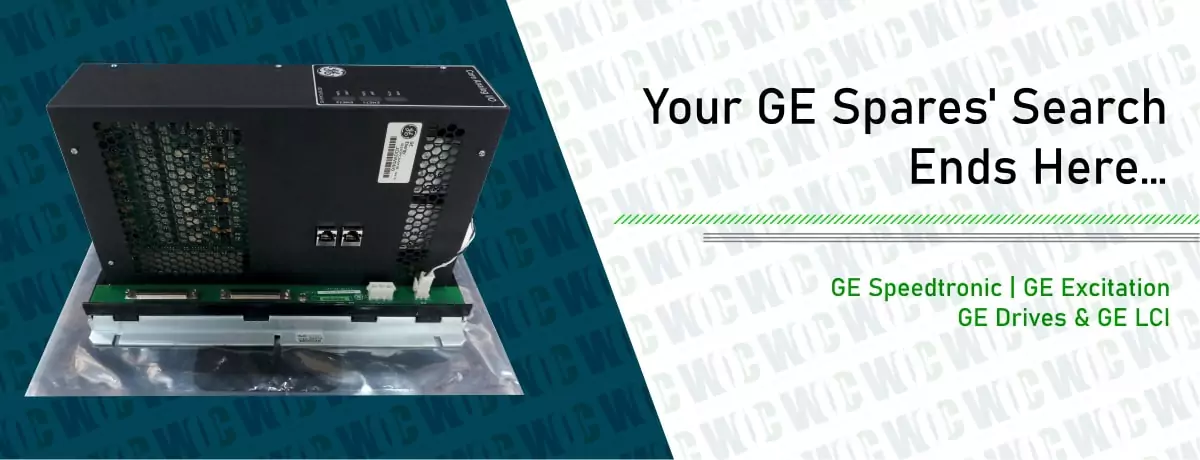
WOC owns repair labs equipped with latest test equipment & functional panels to ensure effective repair thus supporting their 0% failure policy.
WOC supports end users to test & certify their shelf stock at a nominal fee. This eliminates the risk of end users finding parts in their shelf faulty at the time of emergency requirements.
WOC is open to the option of Exchanging defective cards with working cards. Cards supplied under this program carries a 24 month warranty.
WOC provides an conditional warranty of 24 months for supply of Speedtronic cards and 12 months for repair of Speedtronic cards. Exchanged cards carries a 24 month warrant.

The Serial Key Controversy: As the Dust Settles, a New Era Emerges**
Serial keys, also known as product keys or activation keys, have been a staple of software licensing for decades. These unique codes, typically consisting of a series of letters and numbers, serve as a digital fingerprint, allowing software vendors to verify the authenticity and legitimacy of their products. In theory, serial keys provide a secure and efficient way to manage software licenses, preventing piracy and ensuring that only authorized users can access and utilize the software. serial key dust settle
As the software industry continues to evolve and mature, it’s clear that the era of serial keys is slowly coming to an end. While serial keys will likely remain a part of the software landscape for some time, their role is diminishing, replaced by more innovative and user-friendly approaches to licensing and activation. The Serial Key Controversy: As the Dust Settles,
In the world of software and technology, few topics have sparked as much debate and controversy as the use of serial keys. For years, the industry has grappled with the complexities and challenges of managing these unique identifiers, which serve as a crucial component of software licensing and activation. However, as the dust settles on this long-standing issue, it’s clear that a new era is emerging – one marked by innovation, flexibility, and a shift away from traditional serial key-based models. As the software industry continues to evolve and
In the end, the controversy surrounding serial keys has driven innovation and pushed the industry toward more effective and efficient solutions. As the dust settles on this long-standing issue, software vendors and users alike can look forward to a brighter, more streamlined future – one marked by greater flexibility, convenience, and a reduced reliance on traditional serial key-based models.
The Serial Key Controversy: As the Dust Settles, a New Era Emerges**
Serial keys, also known as product keys or activation keys, have been a staple of software licensing for decades. These unique codes, typically consisting of a series of letters and numbers, serve as a digital fingerprint, allowing software vendors to verify the authenticity and legitimacy of their products. In theory, serial keys provide a secure and efficient way to manage software licenses, preventing piracy and ensuring that only authorized users can access and utilize the software.
As the software industry continues to evolve and mature, it’s clear that the era of serial keys is slowly coming to an end. While serial keys will likely remain a part of the software landscape for some time, their role is diminishing, replaced by more innovative and user-friendly approaches to licensing and activation.
In the world of software and technology, few topics have sparked as much debate and controversy as the use of serial keys. For years, the industry has grappled with the complexities and challenges of managing these unique identifiers, which serve as a crucial component of software licensing and activation. However, as the dust settles on this long-standing issue, it’s clear that a new era is emerging – one marked by innovation, flexibility, and a shift away from traditional serial key-based models.
In the end, the controversy surrounding serial keys has driven innovation and pushed the industry toward more effective and efficient solutions. As the dust settles on this long-standing issue, software vendors and users alike can look forward to a brighter, more streamlined future – one marked by greater flexibility, convenience, and a reduced reliance on traditional serial key-based models.


